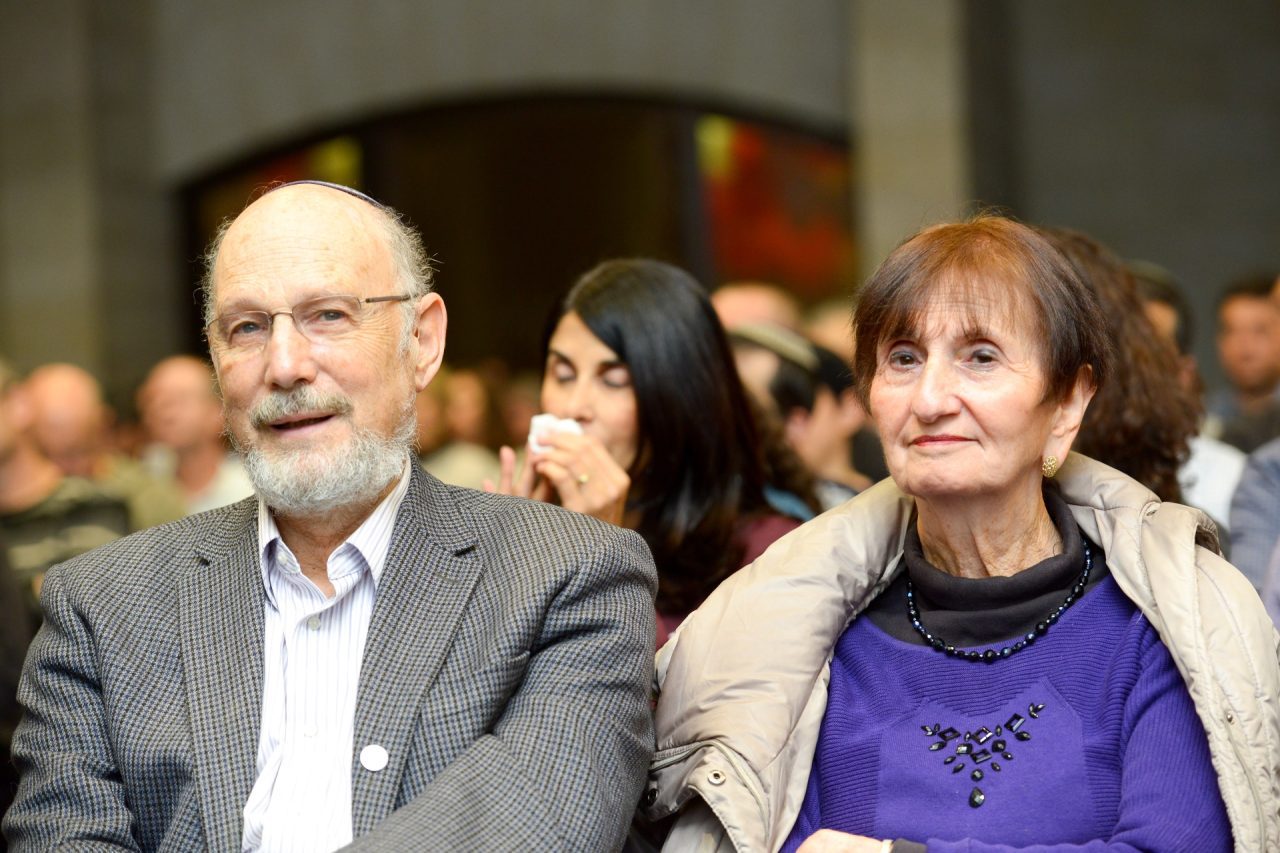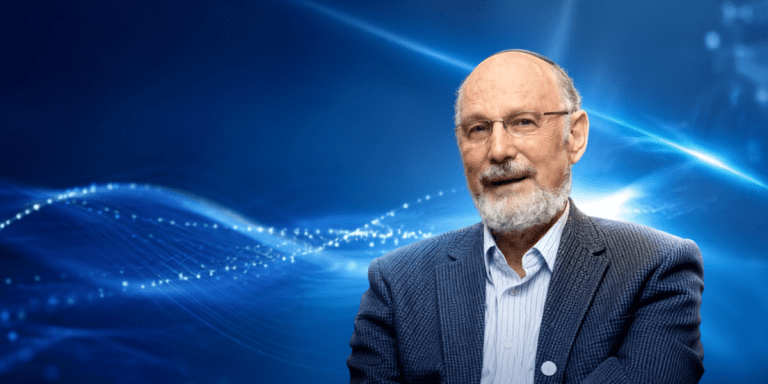
As Ophir marks its 50th anniversary, we spoke with Dr. Ephraim Greenfield, one of the company’s founders, former CTO and a key figure in shaping its technological path.
What began as a small Jerusalem-based company focused on optical coatings would eventually grow into a global leader in laser measurement and IR Optics. In this conversation, Ephraim reflects on Ophir’s early days, the company’s move into laser measurement, the technical challenges that shaped its growth, and the values that helped build its reputation for precision, reliability, and trust.
How did Ophir begin?
When you co-founded Ophir in 1976, what core problem were you most determined to solve?
Ephraim Greenfield:
I couldn’t find a job in Jerusalem!
I had already been thinking about the idea of starting a small company focused on optical coatings, something that did not yet exist in Israel at the time. I was advised to contact Prof. Zeev Lev, who was interested in partnering on such a project. Yaakov Zerem was also thinking along similar lines, and that is how the idea began to take shape.
At the beginning, Ophir was not a laser measurement company. We started with optical coatings.
How did Ophir move from optical coatings into laser measurement?
In the early years, what made accurate laser measurement such a difficult challenge?
Ephraim Greenfield:
In the earliest years, we were not yet working on laser measurement. We were doing optical coatings.
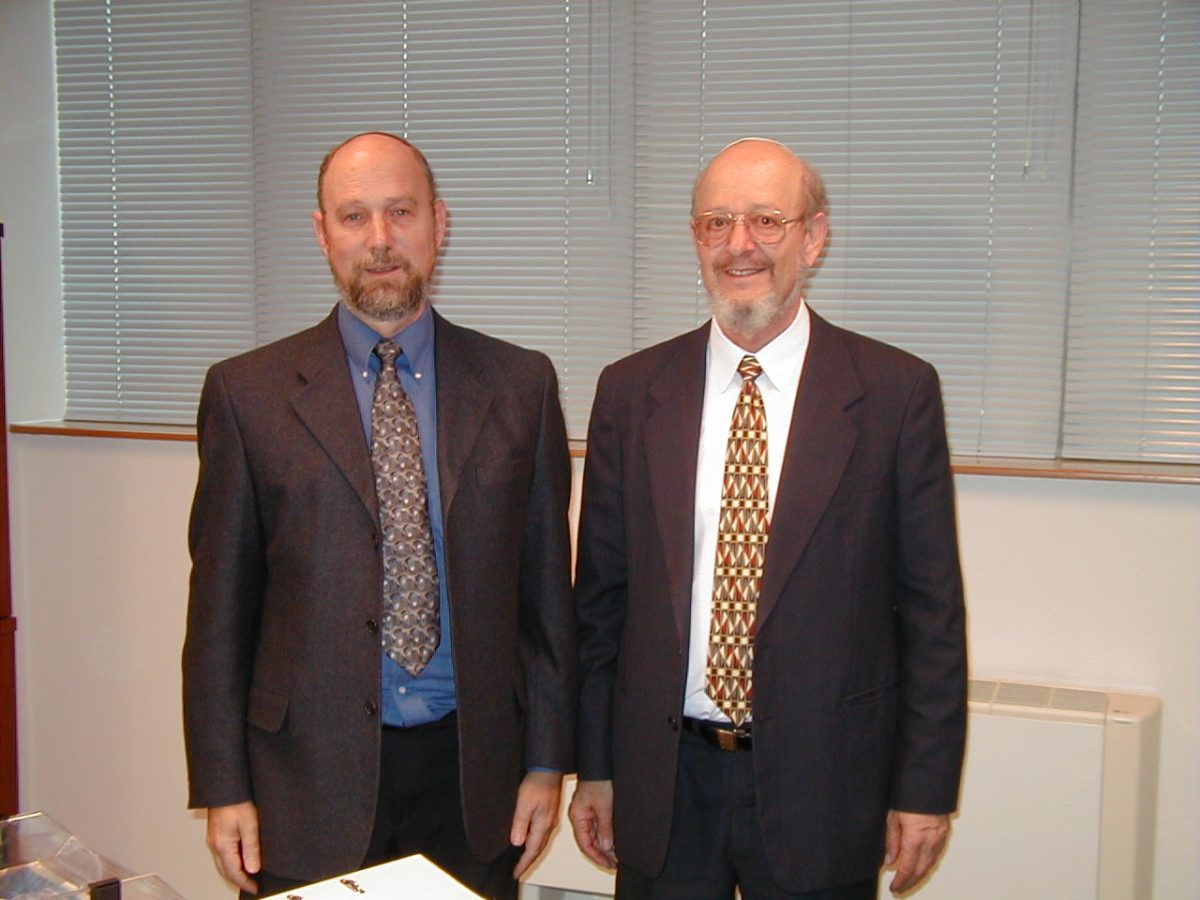
The move into laser detectors happened after a chance meeting with Nissim Ben Yoseph from the newly founded Hebrew University School of Applied Science. They were making laser detectors for the recently founded Laser Industries, but they were having trouble producing them reliably.
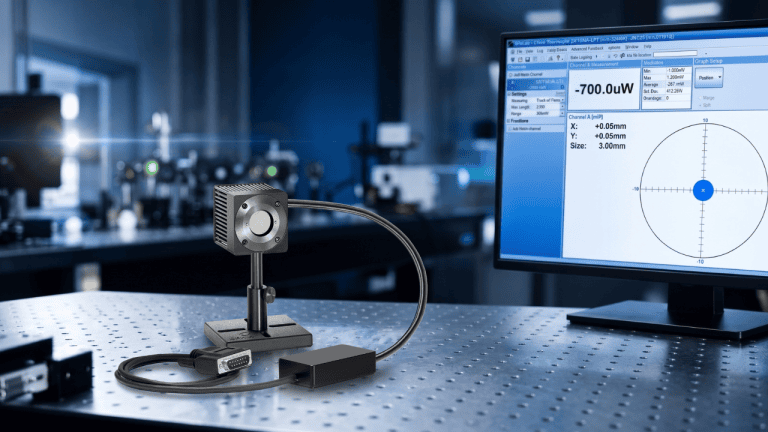
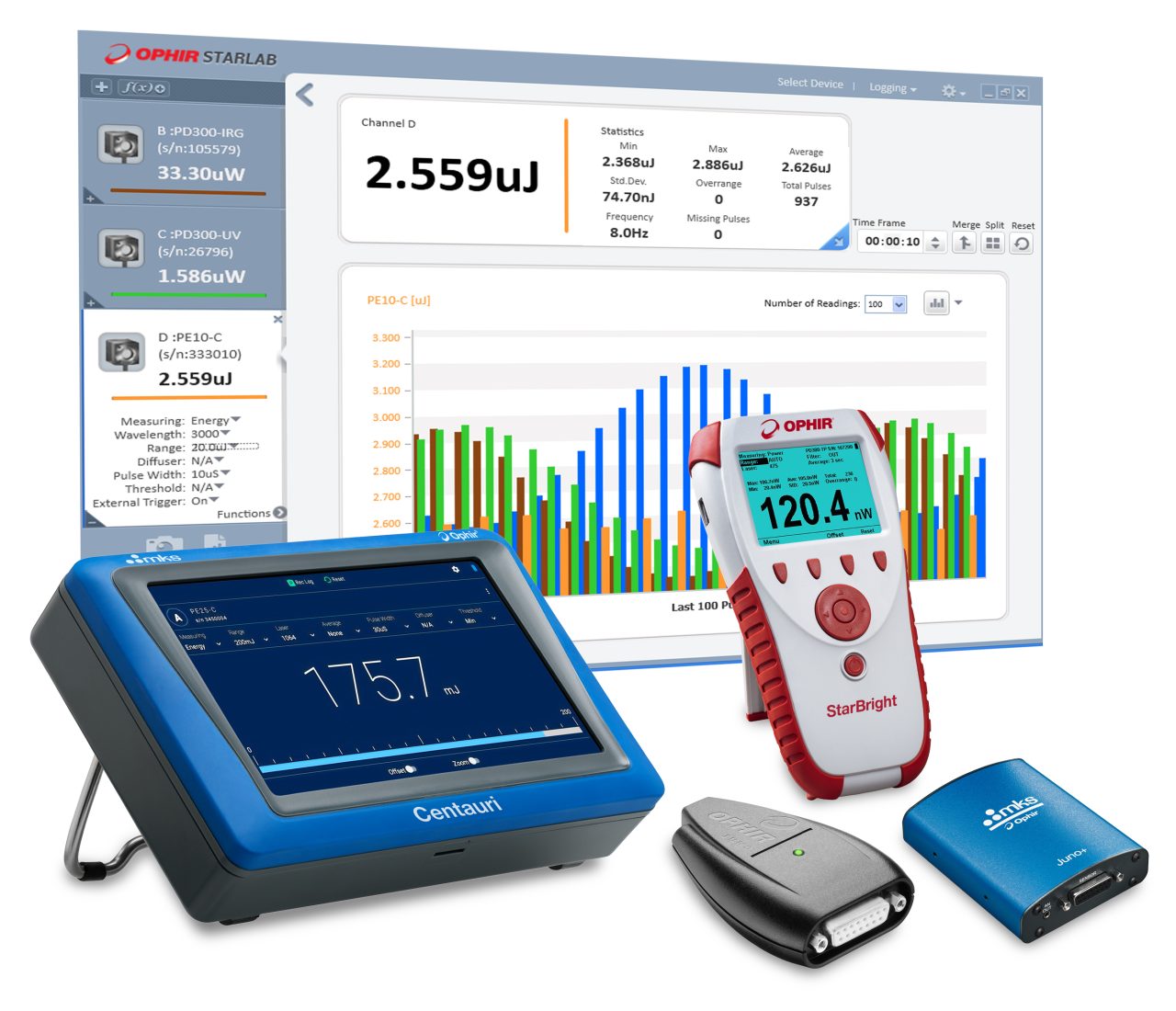
The process involved vacuum coatings, which was already our area, so we agreed to take it over and start making laser detectors. Later, we decided to make complete laser power meters, and that is how we entered the laser measurement business.
The most difficult challenge at that time was learning how to make reliable and durable detectors. Hebrew University had not been able to solve that production challenge, and we had to learn through research, experimentation, and persistence.
What drove the transition from optical coatings to laser measurement R&D?
Ephraim Greenfield:
It was not really a transition in the way people might imagine. We added laser power meters to the existing optical coating line, which continued.
The move happened around 1980. We started simply, and over time, customer needs drove us to add more capabilities.
What were the biggest engineering barriers Ophir faced?
Ephraim Greenfield:
There were many.
The biggest engineering problems were always rooted in basic physics: making reliable detectors, creating durable absorber surfaces for the laser, achieving measurement accuracy, and constantly dealing with more demanding requirements.
We were always driven by customer demand. We added capabilities gradually, and over time, we developed a very broad range of solutions.
Today, Ophir has around 1,000 different products, but that grew slowly from real customer needs.
Do you remember a breakthrough development that significantly changed Ophir’s direction?
Ephraim Greenfield:
Yes. In laser measurement, two developments were especially important.
The first was achieving high-reliability, high-accuracy sensors using unique technology that we cannot disclose. The second was achieving high-damage-threshold and high-absorption absorbers using another technology we developed.
Another very important moment was when we cracked the solution to making a durable infrared coating around 1981. That was a major milestone for us.
As lasers moved from laboratories into industrial production, how did measurement requirements evolve?
Ephraim Greenfield:
When we started, there were maybe 10 different kinds of lasers, with powers ranging up to several thousand watts.
Today, there are thousands of laser types, hundreds of wavelengths, and powers reaching hundreds of kilowatts.
We had to develop solutions that could measure all these types of lasers accurately and reliably. The industry became much more complex, and Ophir had to grow with it.
What innovations were required to measure higher powers and more complex beam characteristics?
Ephraim Greenfield:
We needed absorbers that could measure higher powers and higher power densities.
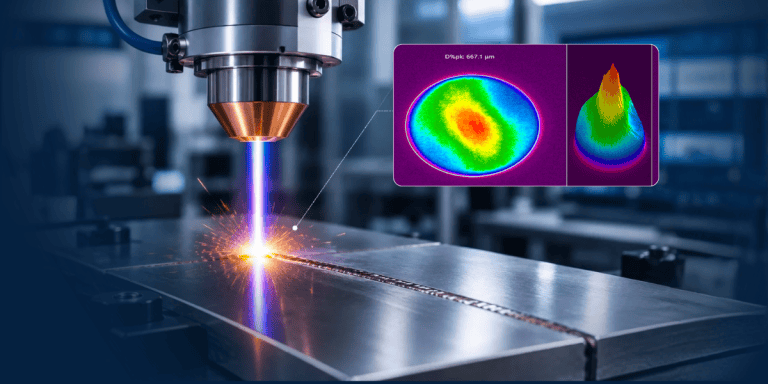
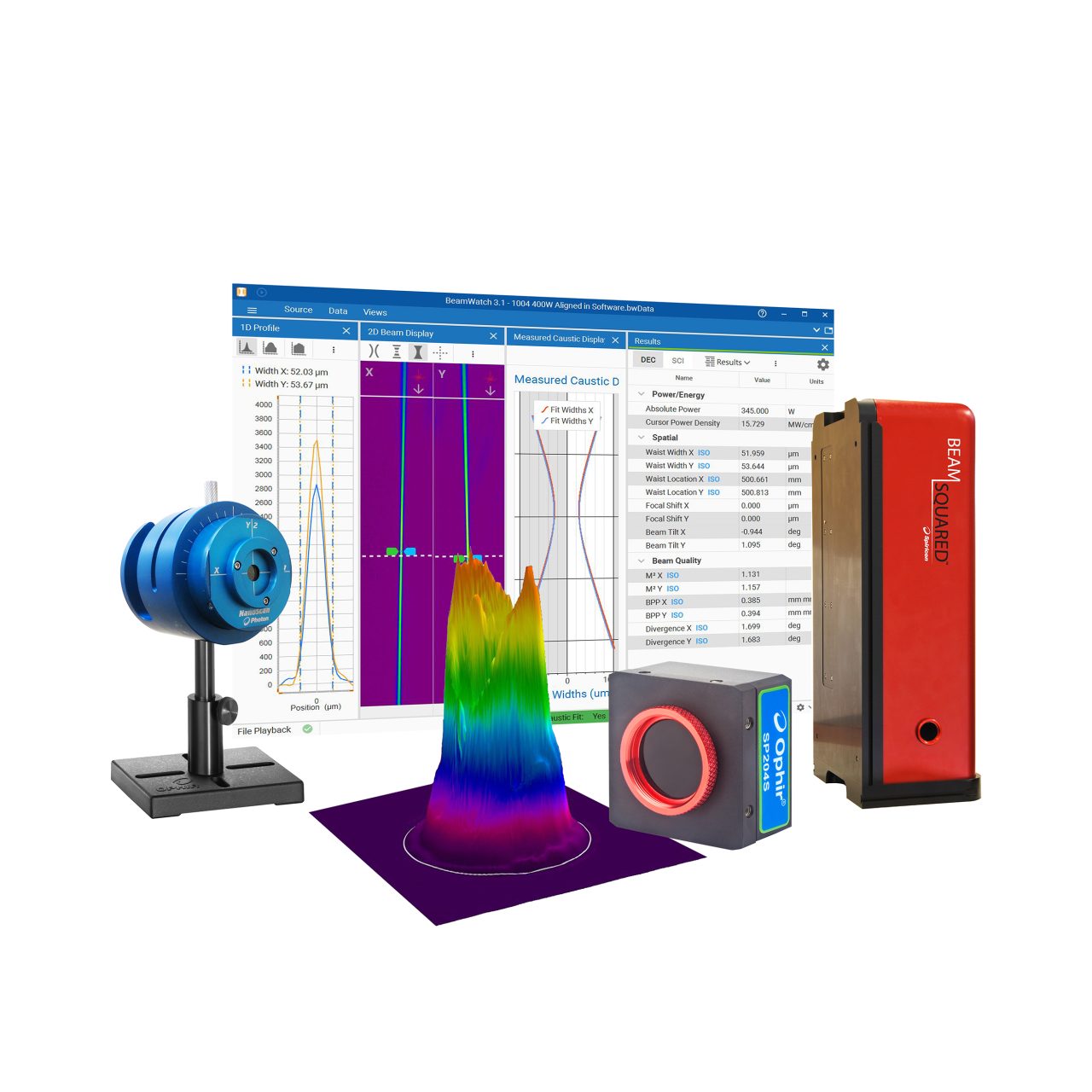
We also needed methods to dissipate thousands of watts of power with high power densities. And we needed methods to measure the beam characteristics of the laser.
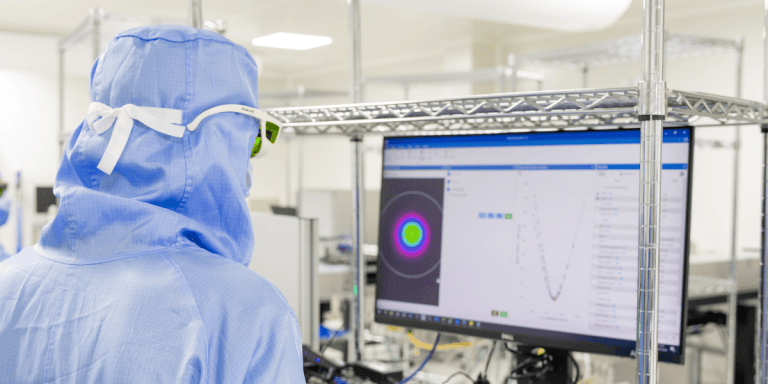
That is why we developed an entire branch focused on measuring laser beam profiles. Customers needed more than power measurement. They needed to understand what was happening in the beam itself.
As applications became more demanding, how did Ophir maintain precision, accuracy and reliability?
Ephraim Greenfield:
We always put great emphasis on accurate measurement.
That included correlation between our various calibration centers and alignment with standards laboratories. A considerable part of our effort has always gone into calibration, accuracy, and making sure that measurements can be trusted.
Precision was not just a technical feature. It was part of the responsibility we had to our customers.
How did customer needs shape Ophir’s innovation?
As CTO, how did you balance long-term research vision with immediate product needs?
Ephraim Greenfield:
I tried to identify trends in measurement needs, so that we could develop solutions that addressed real customer requirements.
At the same time, we put great emphasis on the accuracy and reliability of existing products.
Usually, if there was a conflict, addressing present customer problems and needs took precedence over new developments. Customers came first.
How did expanding into beam diagnostics and broader measurement solutions reshape Ophir’s capabilities?
Ephraim Greenfield:
The requirements of customers drove us into new measurement solutions.
I was constantly visiting customers to find out what they needed and what problems they had. From the beginning, we knew that we had to get into beam diagnostics to meet customer needs.
It was the same with broader measurement solutions. We did not expand because we wanted technology for its own sake. We expanded because customers needed solutions.
Ophir is known for precision and reliability. Did that also affect how the company communicated about its products?
Ephraim Greenfield:
Yes. Accuracy was not only about the measurement itself.
Specifications and product claims needed to reflect real capabilities. There has to be integrity in how you describe what a product can do.
In measurement, trust is everything. Customers rely on the data. They rely on the specifications. They rely on the company behind the product.
That trust is built over time, through accurate products, reliable calibration, honest communication, and a commitment to solving customer problems.
Looking at Ophir today, what achievements make you most proud?
Ephraim Greenfield:
I am proud that Ophir became the premier world leader in laser measurement.
We became recognized for the breadth of our solutions, as well as for reliability and accuracy. That is a very meaningful achievement, especially considering where we started.
When you reflect on Ophir’s journey over five decades, what moments stand out?
Ephraim Greenfield:
Several moments stand out.
One was when we solved the problem of making a durable infrared coating around 1981.
Another was when a government research reviewer visited a German lab and heard firsthand how reliable our products were.
The acquisition of Spiricon was also a major moment. We succeeded in greatly improving their already leading products, and that helped make us a leader in beam profiling.
Another milestone was when we succeeded in making a power meter for 120 kW, which was recently expanded to measure 150 kW – the highest power catalog product.
Is there one contribution that you see as Ophir’s most meaningful?
Ephraim Greenfield:
There is no single contribution.
The most meaningful contribution is that Ophir has solutions for almost all the challenges of laser measurement, more than any other company.
That breadth of solutions is what makes Ophir unique.
What values had the greatest influence on Ophir’s long-term success?
Ephraim Greenfield:
The most important values were integrity, trust between leaders and workers, cooperation, hard work, and meritocracy.
Those values shaped the company.
We listened to good ideas wherever they came from and tried to act on them. We also tried not to have too much bureaucratic inertia.
What made Ophir’s culture of innovation different?
Ephraim Greenfield:
We listened to good ideas wherever they came from.
Some of the best ideas came from people on the production line. These were people who were close to the products and processes and often understood practical problems very well.
A good idea does not have to come from someone with a senior title. If someone sees a problem clearly and has an idea for solving it, that idea deserves to be heard.
Some managers do not like it when employees bring them problems or challenges. How did you see it?
Ephraim Greenfield:
I saw it as a gift.
If someone brings you a problem, that is an opportunity to improve. You should not hide problems or cover them up. You should understand them and solve them.
That kind of openness is very important. It helps the company improve continuously.
You mentioned meritocracy. How does that connect to inclusion and diversity?
Ephraim Greenfield:
People should be able to advance based on their contribution, ability, and dedication, without discrimination.
A company benefits when it listens to different voices and recognizes good ideas wherever they come from. Inclusion is not only about values. It also helps the company become better, because people across the organization can contribute.
What does Ophir’s 50-year milestone mean to you personally?
Ephraim Greenfield:
It makes me proud to have been part of an enterprise that, with God’s help, developed into a leading Israeli company.
It is amazing to think that such a small company, with no obvious head start, could become a world leader.
Each person at Ophir contributed to that.
How do you feel seeing Ophir technologies still shaping the field today?
Ephraim Greenfield:
I am proud.
But we should not rest on our laurels. There are always new challenges, and we always have to work hard and listen to our customers.
That is what allowed Ophir to grow, and that is what will keep it strong.
What has impressed you most about Ophir’s growth since your retirement?
Ephraim Greenfield:
That Ophir has a great team, and they get along fine without me.
That is a good thing. It means the company is strong.
What message would you share with Ophir employees marking this anniversary?
Ephraim Greenfield:
Be proud of what we have accomplished.
And keep up the good work: cooperation, innovation, hard work, and listening to customers.
These values built Ophir, and they need to continue guiding the company.
What advice would you give engineers shaping the future of laser measurement?
Ephraim Greenfield:
Find out the true needs of customers.
Then find innovative and cost-effective solutions to meet those needs.
That is the most important thing: listen carefully, understand the real problem, and solve it well.
Looking to the Next Chapter
Ophir’s first 50 years were shaped by technical innovation, but also by values: precision, reliability, integrity, customer focus, cooperation, and trust.
As Ephraim’s reflections show, the company’s success was not built through one breakthrough alone. It was built through years of listening, learning, solving problems, and improving.
That same spirit continues to guide Ophir into its next chapter.