Damaging a laser measurement sensor can be easier than you think.
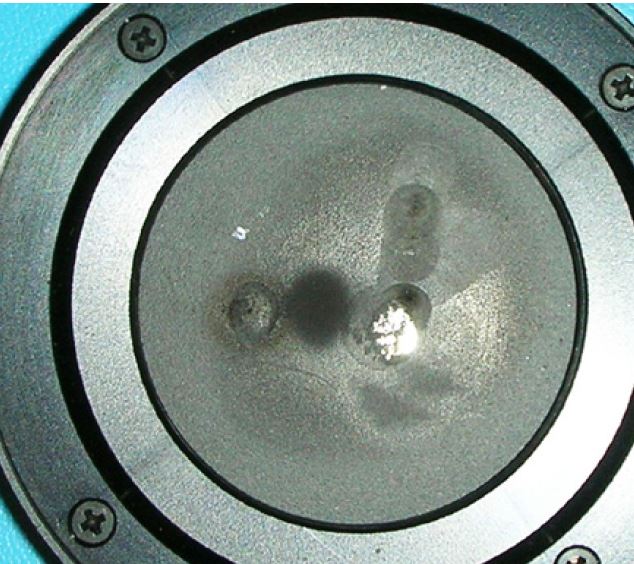
One of the most frustrating situations for anyone working with laser power or energy measurement is discovering that a sensor has been damaged even though the laser appeared to be operating within the sensor’s published specifications.
So, what happened?
The answer is that damage threshold is not determined by laser power alone. Depending on the sensor and application, factors such as power density, energy density, wavelength, exposure time, beam characteristics, and operating power can all affect how much laser radiation a sensor can safely handle.
Understanding these factors is essential for selecting the right sensor and protecting your measurement equipment.
What is a laser sensor damage threshold?
Damage threshold is the level of laser exposure at which a sensor’s performance is affected beyond the specified limit.
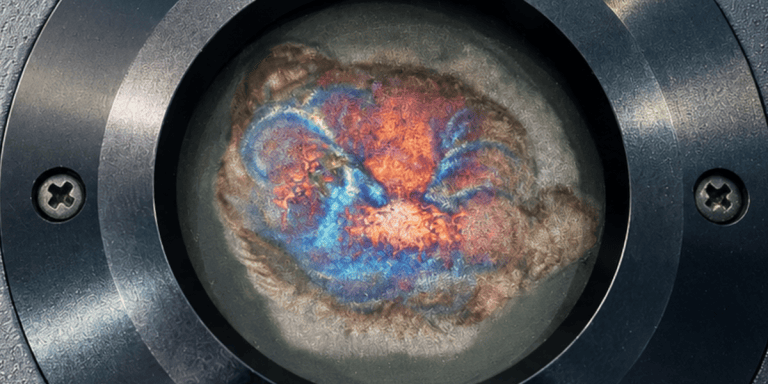
For Ophir power sensors, the damage threshold is defined as the point at which the reading changes by at least 1% from its original performance, although visible or physical damage may not necessarily be apparent.
Damage threshold specifications are typically expressed in terms such as W/cm² for average power density or J/cm² for energy density, depending on the type of measurement and sensor.
This distinction matters because a laser’s total power is only part of the picture.
For example, the same laser power concentrated into a smaller area produces a higher power density. Similarly, a pulsed laser can expose a sensor to a high energy density over a very short period of time.
Why can a sensor be damaged when the laser is “within spec”?
This is where damage threshold becomes more complicated than simply finding a number in a datasheet.
1. Power density matters
A sensor may be capable of measuring a certain amount of total laser power, but that does not necessarily mean that any beam delivering that power is safe.
If the beam is tightly focused onto a small area of the absorber, the local power density can become much higher.
In other words:
Total power ≠ power density
The beam size and how the energy is distributed across the sensor surface are therefore important when determining whether a sensor is appropriate for an application.
2. Wavelength matters
Sensor absorbers do not necessarily respond identically at every wavelength.
The damage behavior of a sensor can therefore depend on the wavelength of the laser being measured. This is one reason why selecting a sensor based only on its maximum power rating may not provide the complete picture.
Ophir’s Sensor Finder takes laser parameters such as wavelength and other application-specific conditions into account when calculating sensor suitability, while a datasheet generally provides a limited set of representative values.
3. Exposure time matters
How long the laser is illuminating the sensor can also affect the result.
Thermal sensors absorb laser radiation and convert it into heat. The amount of energy absorbed over time affects the temperature of the sensor, so the same power density can have different implications depending on the exposure conditions.
This is particularly important when working with high-power or long-pulse lasers.
4. Average power isn’t the whole story for pulsed lasers
For pulsed applications, energy density can be just as important as average power.
A short pulse can deliver a large amount of energy to a relatively small area in a very short time. This is why pulsed-laser applications require consideration of pulse energy, pulse duration, repetition rate, beam size, and the appropriate sensor technology.
A sensor that is suitable for a particular continuous-wave application is not automatically suitable for every pulsed application.
5. Power density damage threshold can change with operating power
Damage threshold describes the maximum power density, or energy density for pulsed lasers, that an absorber can safely handle before its performance is affected.
For thermal sensors, however, the maximum safe power density is not necessarily constant across the sensor’s entire operating power range. As the total laser power increases, the sensor operates at a higher temperature. A hotter absorber may be more susceptible to damage, so the same absorber may withstand a lower power density at high total power than it can at lower total power.
This means that both values must be considered:
- Total power, which affects the sensor’s overall thermal load
- Power density, which describes how strongly that power is concentrated on the absorber
In Ophir sensor datasheets, the maximum power density damage threshold is specified at the highest power for which the sensor is rated. This provides a conservative and practical reference for operation across the sensor’s specified power range.
The Sensor Finder can provide a more application-specific assessment by considering the actual power level together with other laser parameters.
What if the datasheet and Sensor Finder don’t give you exactly the same number?
A datasheet cannot provide a separate damage-threshold value for every possible combination of total power, wavelength, beam diameter, exposure time, and other operating conditions.
For Ophir sensors, the datasheet specifies the maximum power density damage threshold at the sensor’s highest rated power, providing a conservative reference. The Sensor Finder can use the actual laser and application parameters entered by the user to provide a more application-specific result.
The two values are therefore not necessarily contradictory. The datasheet provides a practical reference under specified conditions, while the Sensor Finder evaluates the conditions of a particular application. For selecting a sensor for a specific laser application, using the parameters of the actual beam can provide a much more meaningful assessment than relying on a single generic number.
How much safety margin should you leave?
Even when your calculated operating conditions are below the damage threshold, it is generally advisable not to operate right at the limit.
As a rule of thumb, Ophir recommends keeping operation below 50% of the damage threshold whenever possible, providing a margin for variations and uncertainties in the actual laser conditions.
This is particularly important because real-world laser beams are not always perfectly uniform or stable.
A beam can change during operation, and the actual conditions at the sensor may differ from the assumptions used when selecting it.
A better way to think about sensor protection
Instead of asking:
“Is my laser power below the sensor’s maximum power?”
ask:
“Have I considered all of the laser conditions that determine the sensor’s exposure?”
Before exposing a sensor to a laser, consider:
- Laser wavelength
- Average power
- Peak power, where applicable
- Beam diameter
- Power density
- Pulse energy
- Pulse duration
- Repetition rate
- Energy density
- Exposure time
- Sensor type and absorber
- Cooling and operating conditions
- Appropriate safety margin
The more demanding the laser application, the more important it becomes to consider these parameters together.
Protect your sensor before you turn on the laser
Laser measurement often means deliberately putting an instrument directly in the path of a powerful beam.
That makes sensor selection more than a matter of finding a device that can “measure the power.”
The goal is to make sure the sensor can safely handle the actual characteristics of the beam you are measuring.
And sometimes, even experienced laser users discover that the answer isn’t as straightforward as they expected.