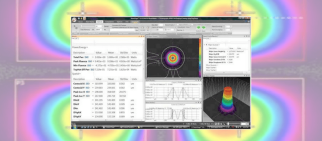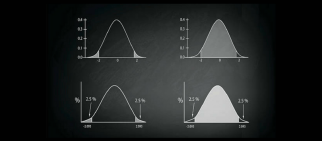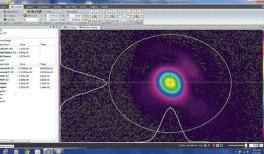
Beam Profiling 101: Intro to laser measurement
One of the most common questions Mark S. Szorik, Pacific Northwest Regional Sales Manager at Ophir Photonics is being asked, […]
Beam Profiling 101: Intro to laser measurement Read Post »
One of the most common questions Mark S. Szorik, Pacific Northwest Regional Sales Manager at Ophir Photonics is being asked, […]
Beam Profiling 101: Intro to laser measurement Read Post »
A laser profiling system can characterize and identify which variables affect product quality and waste. Knowing and creating a process is stable, consistent, predictable, and capable goes a long way toward generating sustainable profit, waste minimization, and end customer satisfaction. Read how to do it here:
Reducing Production Waste with Laser Profiling and Characterization Read Post »
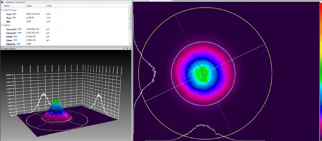
Mark Ivker (Ophir’s Research Physicist) explains what would it take to fully characterize a general beam of light …
Meet the Optical Vortex Read Post »
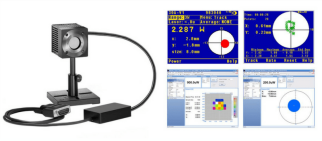
So you need to profile your laser beam but are worried about the cost of a beam profiler? Or maybe
Can a Simple Sensor Really Replace a Laser Beam Profiler? Read Post »
Finding the mechanical location of your laser beam can be important. Read how you can find a mechanical location of the center beam by using a NanoScan…
Finding the center of the NanoScan Read Post »
Get a quick lesson about how Ophir Spiricon, a global leader in precision infrared optics and photonics determines its products’ dynamic range properly.
A Leader’s tip: This is how Ophir Spiricon determines its products’ dynamic range Read Post »
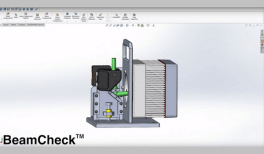
Check your additive manufacturing system spot size, power density, beam profile and more with one compact laser measurement solution: BeamCheck.
Measure Laser Spot Size & Power Density Read Post »
Learn how BeamCheck™ can drastically improve your 3D Metal Printing performance
Assuring Correct Metallurgy in Direct Laser Melting Read Post »
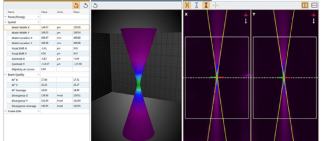
Profiling small laser beams and measuring the beam size (or mode field diameter) can be a serious challenge. But it’s critical to measure, especially in such applications as fiber optic coupling efficiency, defect scanning, optical design and optical fabrication process control. Here’s how we suggest you do it
Measuring Really Small Laser Beams (< 10 microns) Read Post »
Lasers that are focused very small (< 10 μm) are challenging to profile. This is usually too small to be resolved
How to Profile Extremely Small Lasers: Two Ways Read Post »
Getting the beam size and profile of a UV laser is not trivial. The typical beam profiling solution of a
Beam Profiling and Resizing of UV Lasers Read Post »
Lasers used in labs must be measured. However, there are usually many constraints, even besides the obvious one (money):
University Research Team Faces Challenges of Measuring Multiple Lasers Read Post »