

Laser specs and choosing a sensor
We need to measure the laser beam and we need to choose the right sensor…and here’s where the fun begins.
Laser specs and choosing a sensor Read Post »

We need to measure the laser beam and we need to choose the right sensor…and here’s where the fun begins.
Laser specs and choosing a sensor Read Post »

In many laser measurement applications, the beam size can be controlled. In such cases, how large should you make your
How much of my sensor’s aperture should I fill? Read Post »

It is highly important to measure your KW laser power.
However, the water cooling that such sensors need is causing headaches. How to avoid those? Read more…
3 Ways to Measure Kilowatt Laser Power with no Water Cooling Read Post »
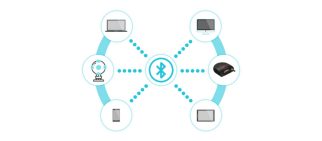
If you need to measure your laser beam’s power or energy, but the usual cable connection between the sensor and the meter is not practical, Ophir’s Quasar may be the right solution for you.
Wireless Laser Measurements: No Strings Attached Read Post »

Mark Slutzki explains the difference between real life and theory and how it all connects to the way you can avoid Sensor Drift…
Keep Cool: Avoiding Sensor Drift Read Post »
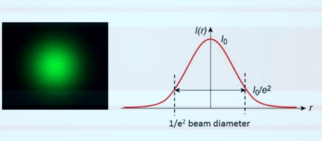
For maximum accuracy, how much of the sensor’s aperture should the beam ideally fill? This video will give you some
Laser Measurement Best Practices: How much of my sensor’s aperture should I fill? Read Post »
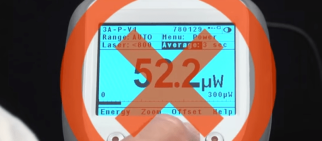
You might think – as I used do – that offset is pretty simple.
Before measuring your laser, see if the meter displays a value.
If not, great. If it does, that’s unwanted, so press “Offset.”
However, the truth is there are several different kinds of offset and it’s important to understand a little bit about how thermal sensors work in order to know when to hit that offset button and when to resist.
When to use Thermal Offset in Laser Power Measurement Read Post »
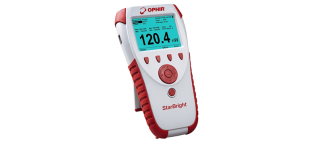
The new Ophir StarBright is the most advanced of Ophir’s family of handheld laser meters. This video walks you through the range of capabilities, and shows you how to use them.
How to Use the StarBright Laser Power Meter Read Post »
The new Ophir StarBright is the most advanced of Ophir’s family of handheld laser meters. This video walks you through the range of capabilities, and shows you how to use them.
Product Feature: How to Use the StarBright Meter Read Post »
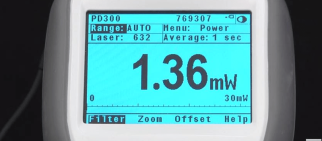
It can be frustrating – trying to measure the power of a laser beam whose power keeps changing. In this video, part of our “Best Practices in Laser Measurement” series, you’ll learn how to get good readings even for unstable beams.
Best Practices in Laser Measurement: How to Measure an Unstable Laser Read Post »
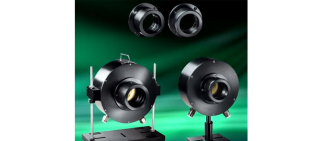
When measuring very high power laser beams, even the few percent of the beam normally back-scattered from the sensor can be a problem. Ophir now offers Scatter Shields as accessories for our high power laser sensors; these can be mounted on the front flange of the sensors to reduce the backscatter by about 70%.
Scatter Shields: Reducing Back-Reflected Power from High Power Sensors Read Post »
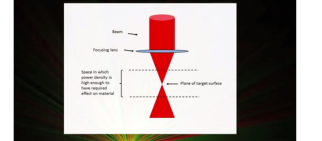
Modern production facilities must constantly increase throughput, at less cost, with less scrap, and with minimum downtime. In this video overview, you will learn how application of new, advanced technology in measurement devices, can help both designers and users of industrial laser systems to optimize and control their processes, so they can accomplish these goals and achieve consistently good results – both in quality and quantity.
Laser Measurement Solutions for High Power Industrial Laser Applications Read Post »